Software Engineering?
Software Engineering is the backbone of modern technology, enabling businesses to build maintain, and innovate software solutions tailored to their unique needs. It involves designing, developing, testing, and deploying scalable, secure, and efficient software systems that drive growth and enhance operational efficiency.
Software engineering is the lifeblood of modern innovation. Whether it's enabling self-driving cars at Tesla, optimizing rocket launches at SpaceX, or managing neural networks at Neuralink, software is what transforms ambitious ideas into reality. Great software engineering isn't just about functionality; it's about solving problems at scale, improving efficiency, and pushing the boundaries of what’s possible.
Elon Musk, Tesla

Software Architecture and Design
Software Architecture and Design are critical aspects of software development that define a system's structure and guide its implementation. Architecture focuses on the high-level organization, including components, their interactions, and principles like scalability, performance, and maintainability. Common architectural patterns include Layered, Microservices, Event-Driven, and Client-Server architectures. Design, on the other hand, deals with the detailed implementation of the architecture, covering classes, algorithms, and data structures, with principles like SOLID, DRY (Don’t Repeat Yourself), and KISS (Keep It Simple, Stupid). Together, architecture and design ensure a system is robust, adaptable, and easy to maintain.
Application Management Services (L1/L2/L3)
Application Management Services (AMS) provide support and maintenance for applications across different levels: L1, L2, and L3. L1 (Level 1) support handles basic issues, including user queries, password resets, and initial troubleshooting. L2 (Level 2) support involves deeper technical assistance, such as diagnosing application issues, performing configurations, and resolving incidents that L1 cannot handle. L3 (Level 3) support deals with complex problems requiring in-depth expertise, including bug fixes, performance optimization, and direct interaction with development teams. These tiers ensure efficient issue resolution, system stability, and continuous improvement of applications.

Software and App Development
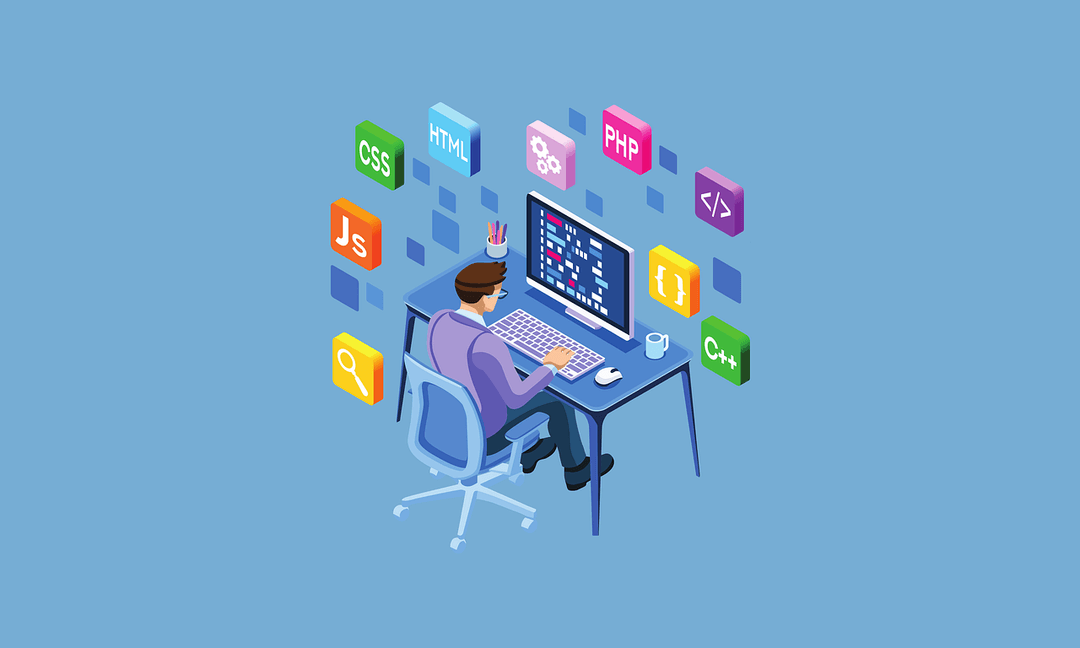
Software and App Development is the process of designing, creating, testing, and deploying applications for various platforms, including desktop, web, and mobile. It involves multiple stages such as requirement analysis, UI/UX design, coding, testing, and maintenance. Developers use programming languages, frameworks, and tools to build functional, scalable, and secure applications tailored to user needs. Software development can follow methodologies like Agile, DevOps, or Waterfall, ensuring efficiency and continuous improvement. Whether for businesses or consumers, the goal is to deliver high-quality, user-friendly applications that solve problems and enhance productivity.

System, data and API integration
System, Data, and API Integration is the process of connecting different software applications, databases, and services to enable seamless data exchange and functionality across platforms. System integration ensures that various IT systems, such as CRM, ERP, and cloud applications, work together efficiently. Data integration involves consolidating and synchronizing data from multiple sources to ensure consistency, accuracy, and accessibility. API integration connects applications through Application Programming Interfaces (APIs), allowing them to communicate, share data, and automate processes. These integrations enhance efficiency, improve decision-making, and enable businesses to leverage technology for better performance and scalability.
Strategic IT Consulting
Strategic IT Consulting is the practice of advising businesses on how to leverage technology to achieve their goals, improve efficiency, and drive innovation. It involves assessing an organization's IT infrastructure, identifying opportunities for digital transformation, and developing technology roadmaps aligned with business objectives. IT consultants provide expertise in areas such as cloud computing, cybersecurity, data management, and software implementation, ensuring that technology investments deliver maximum value. By aligning IT strategies with business needs, strategic IT consulting helps organizations stay competitive, reduce costs, and enhance overall operational performance.
Loading resources...
Let's Build Your Next Software Solution
Contact us today to discuss your project and see how we can drive your success.
Schedule a call